
Korean AI Chip Startup Eyes Global IPO in 2026
 Vortixel
7 minutes read
Vortixel
7 minutes read
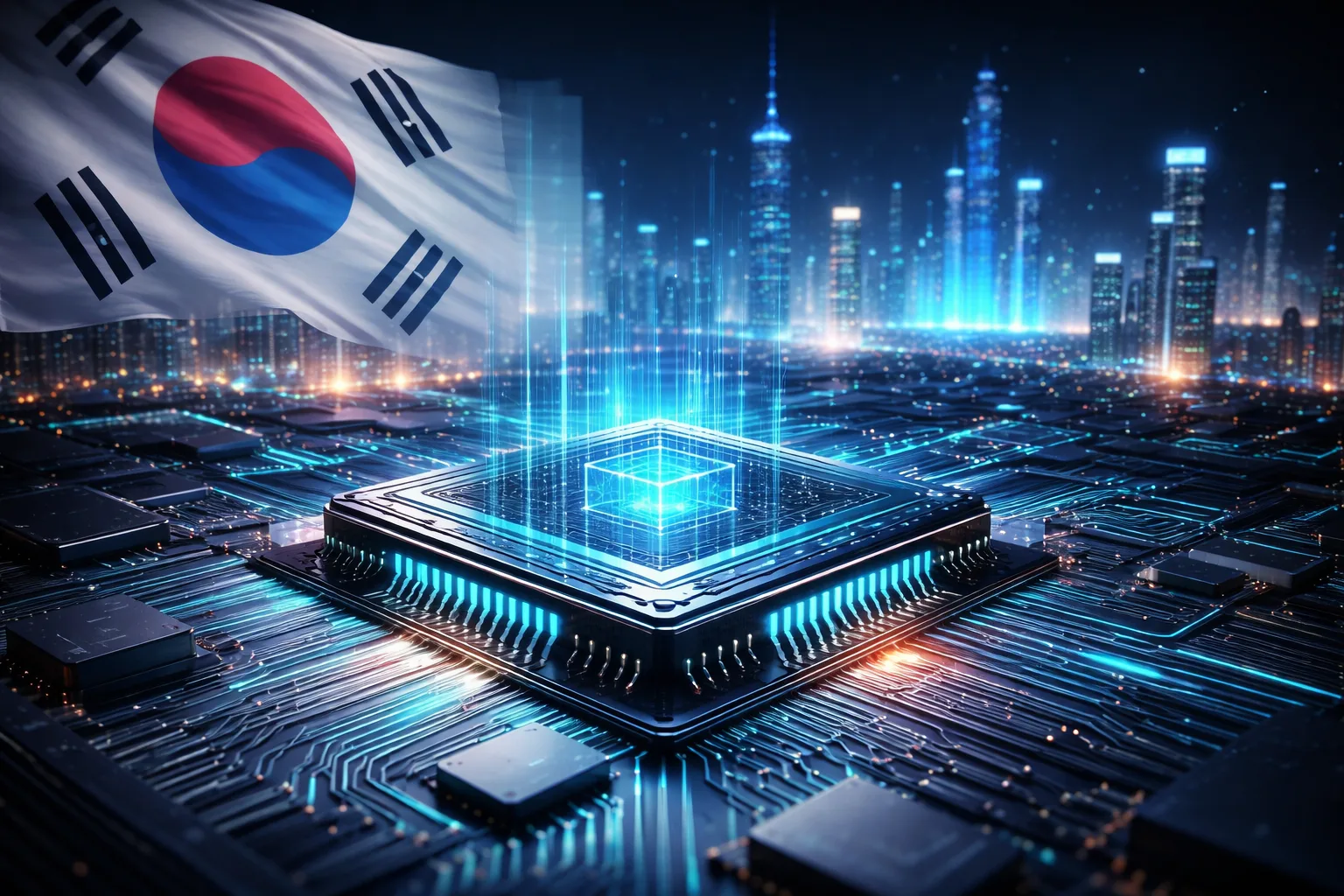
The Rise of Korea’s AI Chip Startup Scene
The global tech landscape is shifting faster than ever, and at the center of this transformation is artificial intelligence infrastructure. One of the most compelling stories right now comes from South Korea, where a fast-rising AI chip startup is preparing for a global IPO in 2026. This move is not just another funding milestone; it signals a deeper shift in how the world builds and scales AI technologies. As demand for high-performance computing continues to surge, startups specializing in AI semiconductors are becoming the backbone of the next digital era.
South Korea has long been known for its dominance in traditional semiconductor manufacturing, with giants like Samsung and SK Hynix leading the charge. However, the emergence of a new generation of startups focused on AI-specific chips is redefining the country’s role in the global tech ecosystem. These companies are not just manufacturing hardware; they are building the brains behind AI systems, from autonomous vehicles to generative AI platforms.
The startup preparing for its IPO has quickly gained attention due to its innovative approach to low-power, high-efficiency AI chips. Unlike traditional GPUs, which are often power-hungry and expensive, this new wave of chips is designed to optimize performance while reducing energy consumption. This is a game-changer, especially as companies worldwide look for sustainable ways to scale AI operations.
Why AI Chips Are the New Gold Rush
If 2023 and 2024 were the years of AI hype, then 2025 and beyond are shaping up to be the era of AI infrastructure dominance. At the heart of this shift lies one critical component: AI chips. Without them, even the most advanced algorithms cannot function efficiently.
The global demand for AI chips has skyrocketed due to several factors. First, the explosion of generative AI models has created an unprecedented need for computing power. Second, industries such as healthcare, finance, and manufacturing are rapidly adopting AI-driven solutions, further fueling demand. Third, governments worldwide are investing heavily in AI sovereignty, aiming to reduce reliance on foreign technology.
This is where startups like the Korean AI chip company come into play. By focusing on specialized AI processors, they are able to deliver performance that rivals, and in some cases surpasses, traditional solutions. More importantly, they offer flexibility and scalability that large corporations often struggle to provide.
The IPO announcement is a clear indication that investors recognize the potential of this sector. With valuations in the billions and strong backing from venture capital firms, AI chip startups are becoming one of the most attractive investment opportunities in 2026.
Breaking Down the IPO Strategy
Going public is not just about raising capital; it is about positioning the company for long-term growth. The Korean AI chip startup’s decision to pursue a global IPO reflects its ambition to compete on an international stage. Rather than limiting itself to local markets, the company aims to establish a presence in key regions such as the United States, Europe, and Southeast Asia.
The IPO strategy is built around three core pillars:
1. Scaling Production Capacity
To meet growing demand, the company plans to significantly expand its manufacturing capabilities. This includes partnerships with global foundries and investments in advanced fabrication technologies. By increasing production, the startup can ensure a steady supply of chips to its clients.
2. Expanding Market Reach
A global IPO provides access to international investors and opens doors to new markets. The company is already in talks with major tech firms and cloud providers, positioning itself as a key player in the AI hardware ecosystem.
3. Accelerating Innovation
With additional funding, the startup can invest more heavily in research and development. This includes exploring next-generation technologies such as edge AI chips, neuromorphic computing, and AI accelerators designed for specific industries.
How This Impacts the Global Tech Industry
The implications of this IPO go far beyond South Korea. It represents a broader trend in which AI chip startups are challenging the dominance of established players like NVIDIA and AMD. While these giants still lead the market, startups are carving out niches by focusing on specialized applications.
One of the most significant impacts is increased competition. As more companies enter the space, innovation accelerates, leading to better products and lower costs. This benefits not only tech companies but also end-users who rely on AI-powered services.
Another key impact is the diversification of the supply chain. The global semiconductor industry has faced significant disruptions in recent years, highlighting the need for more resilient systems. By introducing new players, the market becomes less dependent on a handful of suppliers.
Finally, the rise of AI chip startups is driving the adoption of custom AI solutions. Instead of relying on generic hardware, companies can now choose chips tailored to their specific needs. This level of customization is crucial for industries with unique requirements, such as healthcare and autonomous driving.
The Role of South Korea in the AI Revolution
South Korea’s emergence as a hub for AI chip innovation is no coincidence. The country has invested heavily in technology and education, creating an environment where startups can thrive. Government initiatives aimed at supporting the semiconductor industry have also played a crucial role.
In addition, South Korea benefits from a strong ecosystem of suppliers, manufacturers, and research institutions. This allows startups to access the resources they need to develop cutting-edge technologies. The success of this AI chip startup is a testament to the strength of this ecosystem.
Moreover, the country’s strategic location in Asia provides easy access to major markets such as China and Japan. This geographic advantage further enhances its position as a global tech leader.
Challenges Ahead for AI Chip Startups
Despite the excitement surrounding the IPO, the road ahead is not without challenges. The AI chip industry is highly competitive, and startups must navigate a complex landscape to succeed.
High Development Costs
Designing and manufacturing AI chips requires significant investment. From research and development to production, the costs can quickly add up. Startups must secure sufficient funding to sustain their operations.
Intense Competition
Established players have the advantage of scale and resources. Competing against companies like NVIDIA requires not only innovation but also strategic partnerships and strong execution.
Supply Chain Constraints
The semiconductor industry is known for its intricate supply chains. Any disruption can impact production and delivery timelines. Startups must build resilient systems to mitigate these risks.
Regulatory Challenges
As governments become more involved in the tech sector, startups must navigate a complex regulatory environment. This includes compliance with export controls and data privacy laws.
Why Investors Are Paying Attention
The buzz around the Korean AI chip startup’s IPO is not just hype. Investors see real potential in the company’s business model and technology. Several factors are driving this interest:
- Explosive Growth in AI Demand
The rapid adoption of AI across industries creates a massive market opportunity. - Strong Technological Differentiation
The startup’s focus on efficiency and performance sets it apart from competitors. - Global Expansion Potential
With plans to enter multiple markets, the company has significant growth prospects. - Strategic Partnerships
Collaborations with major tech firms enhance credibility and market reach.
These factors combine to create a compelling investment story, making the IPO one of the most anticipated events in the tech industry.
The Future of AI Hardware
Looking ahead, the role of AI hardware will only become more critical. As AI models grow in complexity, the need for specialized chips will continue to rise. This creates opportunities for startups to innovate and capture market share.
One emerging trend is the development of edge AI chips, which enable AI processing directly on devices rather than in the cloud. This reduces latency and improves performance, making it ideal for applications such as autonomous vehicles and smart devices.
Another trend is the integration of AI capabilities into everyday products. From smartphones to home appliances, AI is becoming a standard feature. This further increases demand for efficient and cost-effective chips.
The Korean AI chip startup is well-positioned to capitalize on these trends. By focusing on innovation and scalability, it can play a significant role in shaping the future of AI hardware.
Conclusion: A Defining Moment for AI Startups
The upcoming IPO of the Korean AI chip startup marks a pivotal moment in the evolution of the tech industry. It highlights the growing importance of AI infrastructure and the role of startups in driving innovation. As the company prepares to go public, all eyes are on how it will navigate the challenges and opportunities ahead.
For the global tech ecosystem, this is more than just a financial event. It is a signal that the next wave of innovation will be driven by companies that can combine cutting-edge technology with scalable business models. The rise of AI chip startups is just the beginning, and the journey ahead promises to be both exciting and transformative.